Monday, April 16, 2018

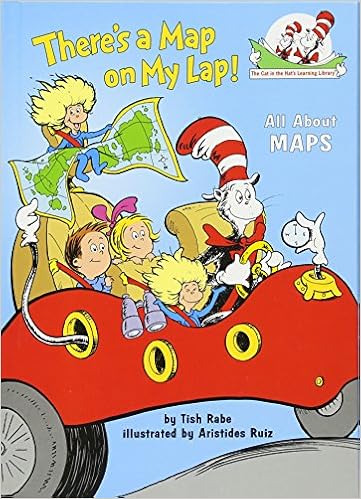
There's A Map On My Lap by Trish Rabe


Summary: This book introduces maps to young readers. Not only does it discuss different types of maps, but it also talks about the features of these maps and the tools needed to read them! This book also shares different quirky features about different states to aid students when remembering which state is which.

1st Grade Unit Overview: Students will learn what a map is and how they can use them. They will learn that there are different types of maps and different ways to read maps. Students will learn how to use a compass and the cardinal directions (north, east, south, and west).

This lesson should begin by using a map to see what the children know. Allow the students to see if they can locate where they live and ask them questions about the cardinal directions. After introducing these topics, allow time for the students to create their own compasses. They should fill in the directions and cut/color their individualized compasses. After they complete their compasses, do a read-aloud of the book There's A Map on My Lap. Throughout the book, use stopping points to further discuss the use of compasses and map keys. At the end of the book, there will be a letter from The Cat in the Hat himself. The letter reads:

Dear Class,
Now that you have read my book on maps, you will be using a map of your own.
In a few minutes you will go back to your seats and with your group, find the treasure I have hidden somewhere in your classroom.
Make sure you use the compass and the key to find the different clues I’ve hidden around the room.
Good luck!

Signed, The Cat in the Hat

The students will use their maps and compasses to work together in groups to find their hidden treasures throughout the room. 

Essential Questions:
  • Why do we use maps?
  • What are the cardinal directions?
  • What do we use to read those directions?
*Students should be encouraged to go home and create their own maps of their bedrooms and locate which direction is north, south, east, and west.*

Monday, April 9, 2018

The Amazing Impossible Erie Canal by Cheryl Harness


Summary: Cheryl Harness, shares the journey of an ambitious politician who dreams of building a canal to connect the Hudson River to the Great Lakes. The author uses images to depict the long and hard 8-year journey that made history. Americans were now able to travel from the American Prarie all the way to Europe.

3rd Grade Unit Overview: Students will learn about the Erie Canal and it impacted society. Students will understand what a canal is and how it changed the way people lived. Students will learn about other developments that enhanced daily living such as, roads and railroads.

This story is a bit longer than other picture books, the information may be overload for the younger students if it is all in one day. This unit should be done throughout a couple of days. After reading the story, the students should view the song Low Bridge, Everybody Down by Bruce Springsteen. The students will then learn the song and study the lyrics. They will be able to connect them to the story they just read about the Erie Canal. The students should break apart the building of the Erie Canal into a timeline and then connect the events to the lyrics of the song. This is a great way to incorporate music into a history lesson.

Essential Questions: 

  • What is a canal?
  • What other developments helped Americans travel?
  • How did the Erie Canal change the way Americans lived?
  • How did the building of the canal lead to other transportation inventions?
*This lesson can lead to many different lessons about transportation and other inventions that changed American society.*

Monday, April 2, 2018

Under The Same Sun by Sharon Robinson


Summary: Author Sharon Robinson, daughter of the one and only Jackie Robinson, shares her story of living in Tanzania. After receiving a visit from her grandmother Bibi and Auntie Sharon, who live in America, the grandkids learn about their ancestors. The children learn about how many before them traveled to America by slave ships. Robinson shares about the joys and pains of having their family split between two different parts of the world. She also gives a piece of African-American history a modern perspective.

5th Grade Unit Overview: Students will learn about African slave trade and how it impacted both Americans and Africans. Students will see slavery from different perspectives and understand the concepts of fairness and equality.

After reading the story, hold a class lesson about slavery and the triangular trade route. Discuss with students about the trading system, the different goods that were sold with the slaves, and the horrid journey slaves had to endure. Split the students into small groups in order for them to do some more research on their own. Have one group of students draw out their own triangular trade route, sharing the journey of the slaves, as well as the goods within the trade. Have one group of students research and create a timeline of slavery sharing significant dates and images, beginning in 1502 and ending in 1865. Have another group research and share information about plantation owners and their families, sharing the other side of the story. (Teacher may add more groups or double up on groups researching the same information depending on the size of the class.) Have each of the groups share and present their information to the class using different presentational means. Students should then reflect on what they have learned by writing 2 diary entries. One from the perspective of a young child in slavery and the other as a member of a family that owns a plantation. The teacher will wrap up the unit with a class discussion about the information learned and how important it is to respect and treat others fairly.

Essential Questions:

  • What was the purpose of slavery?
  • What was the colonial life like for a slave?
  • How were slaves treated as unequal?
  • How is slavery an important part of who America is today?
  • Why is it important to treat others fairly and equal?
*This story and the lesson could lead to a lesson about Jackie Robinson and his era due to the fact that he is the father of the author. Discuss how even though there legally is no slavery, Jackie Robinson, and many others were still treated unfairly.*

Friday, March 23, 2018

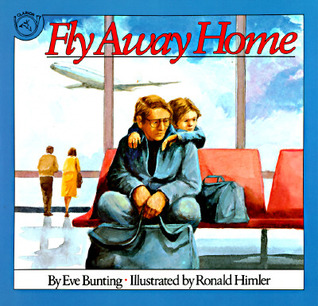
Fly Away Home by Eve Bunting


Summary: A touching story about a young boy and his father living in an airport. As they move from terminal to terminal to avoid being caught, the boy spots a bird that has been trapped inside the airport. One day, he sees the bird escape through an open door, providing the boy with a sense of hope.

2nd Grade: How can citizens help those in need?

After reading the book, have a discussion about homelessness and the importance of not turning to crime to get out of homelessness. Discuss how people have different living situations and that does not make those who are different wrong or bad people. Post-discussion, have students research, with partners or small groups, about the resources for homeless people in the area they reside in. Allow students to share their findings, creating a list of some of the resources they found. Next, create a new list of things they can do, personally, to help those in need. (Examples: canned food/clothing drives, donating their unwanted belongings to thrift stores, writing letters, sharing information about how to help others, etc.) The students can put one or more of these items into action. This is a great way to teach them about acts of kindness and it can become a service learning/ community service project.

When looking into placing one of these ideas into action, it is a great time to pull in cross-curricular lessons/activities!

Monday, March 19, 2018

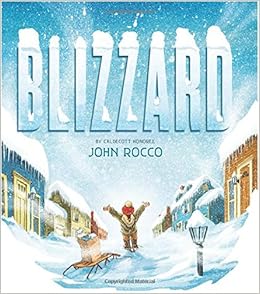
Blizzard by John Rocco

Summary: When the blizzard of 1978 brought fifty-three inches of snow to a town in Rhode Island, John Rocco wanted to share his experiences with others around him. The young boy is ecstatic to see that first snowflake fall. However, by the end of the story, the neighborhood could not be more relieved to see the snow plow breakthrough to their street.

3rd Grade Physical Systems Unit

This book talks about a historical event that devastated many lives. Students can research and learn more about this blizzard and weather patterns that impact different parts of the country.

Unit Overview: In this unit, students will learn about the infamous blizzard of 1978 by reading a story written by John Rocco. After reading, students will research a little more about the blizzard with their classmates in small groups. Students will then explore different regions of the United States and talk about the major climate regions throughout the country.

After working together in small groups, the students can present their information about their region and how the climate is there. The teacher can then lead a discussion to review what the students learned about the regions.

Essential Question: How do the major climate regions differ throughout the country?